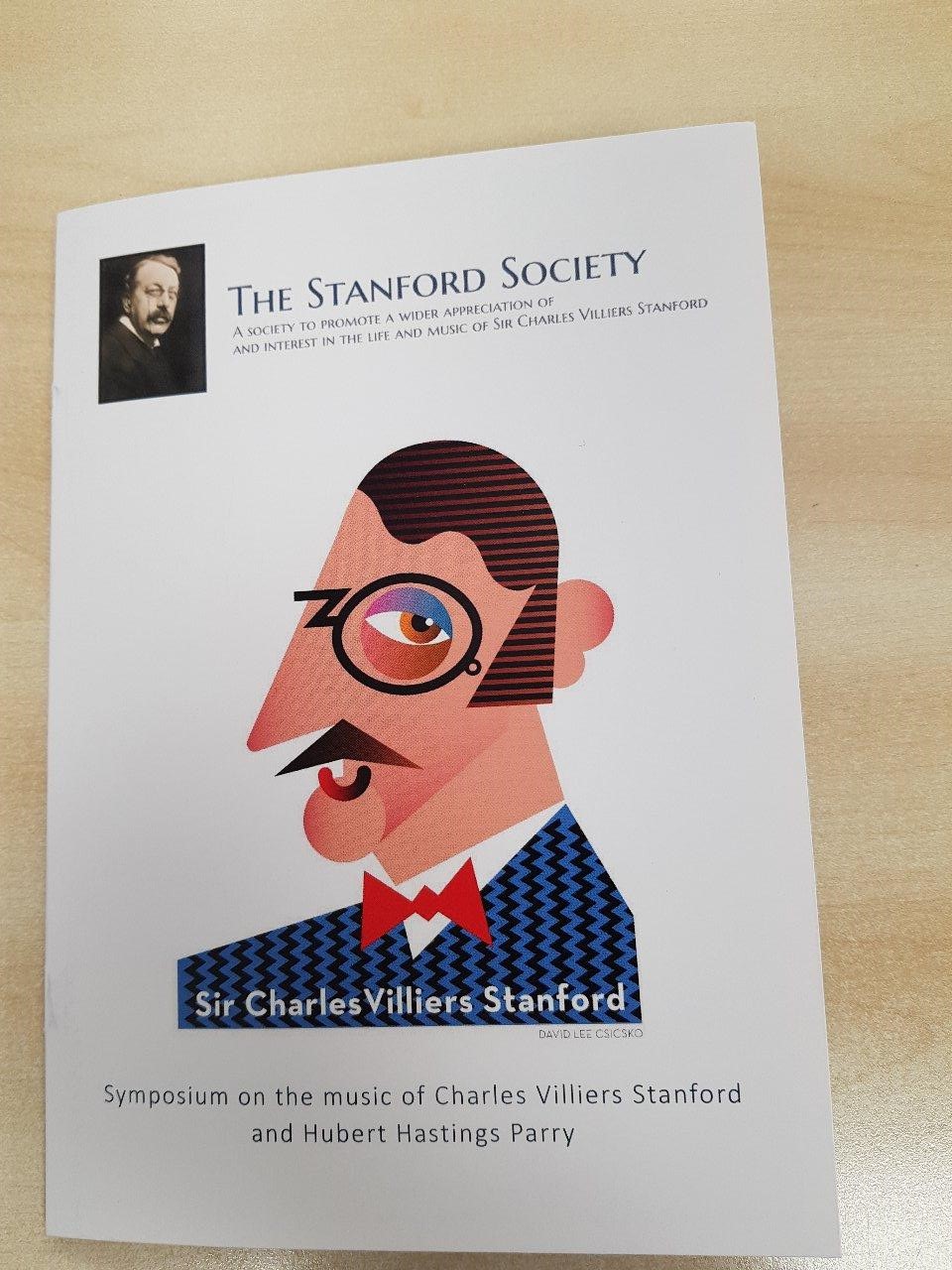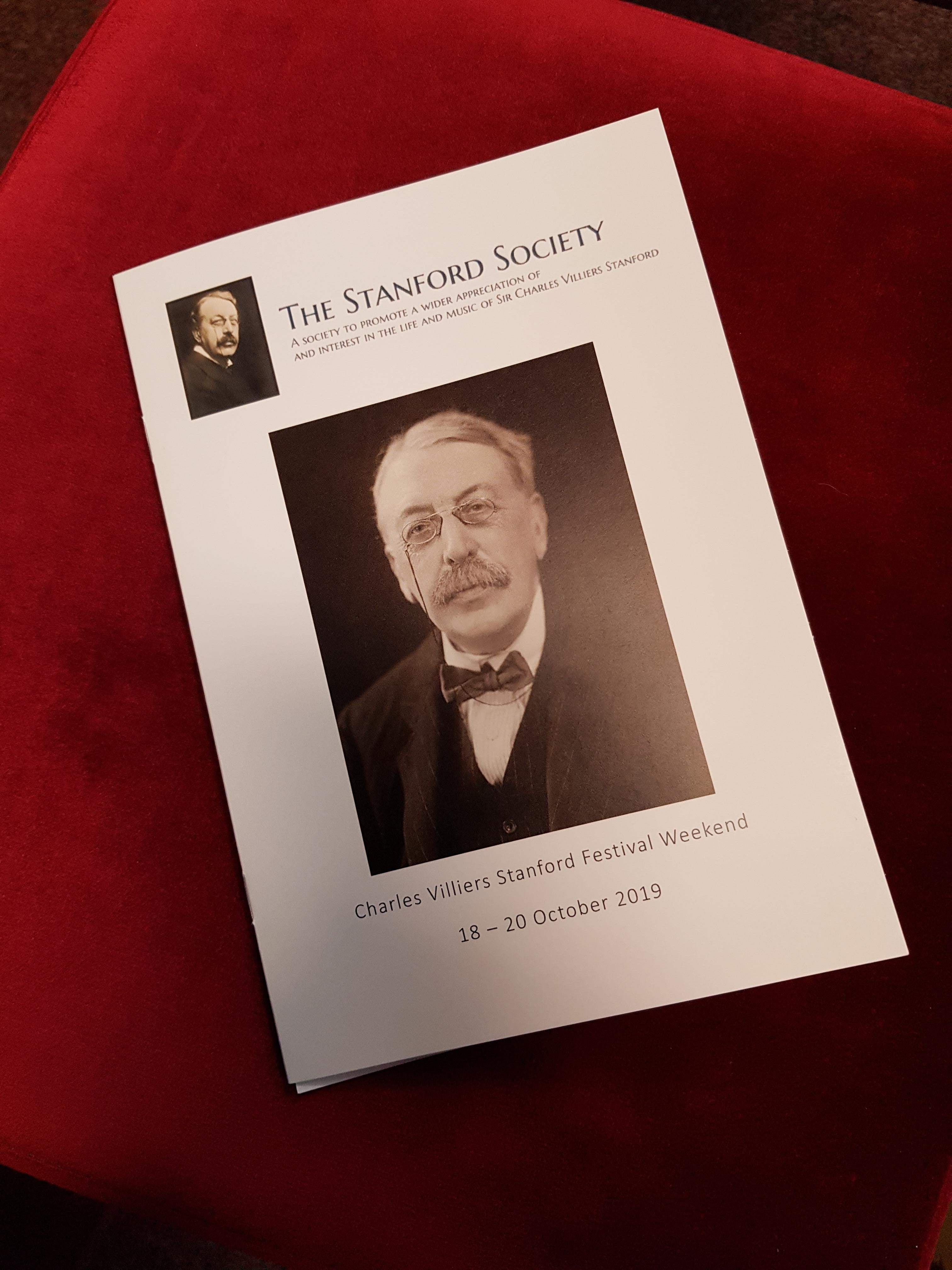
The Stanford Society

An international society which is being formed to honor the life and music of Sir Charles Villiers Stanford (1852-1924)

We encourage and support the increased performance and recording of his music both in the UK and internationally. 


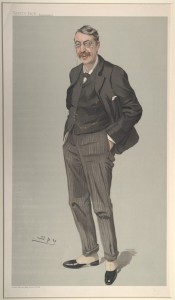
C. Villiers Stanford

 (1852-1924)


STANFORD  FESTIVAL WEEKEND 2010

DUBLIN, IRELAND  OCTOBER 15th to 17th

Sir Charles Villiers Stanford was born in Dublin in 1852 and received his early musical training at St Patrick’s Cathedral, Christ Church Cathedral and St Stephen’s Church (The Pepper Canister).

He moved to Cambridge in 1870 and went on to build a stellar musical career. He was appointed Professor of Composition at the Royal College of Music in 1883 and Professor of Music at Cambridge University in 1888. Stanford was knighted in 1902 and his ashes are interred in Westminster Abbey.

Stanford was a prolific composer, completing seven symphonies, eight string quartets, nine operas, more than 300 songs, 30 large scale choral works and a large body of chamber music.

He also composed a substantial number of works for the organ and anthems and settings for matins and evensong which are still widely used in church music.

To celebrate Stanford’s Dublin connection the Stanford Festival 2010 will be held in Dublin from Friday 15th to Sunday 17th October 2010.

Friday, 15 October 2010: St Stephen’s Church (The Pepper Canister)

The festival will commence with a choral concert and organ recital in St Stephen’s Church, where Stanford worshipped. He lived in number 2 Herbert Street, beside the church.The Lassus Scholars will sing a nuber of Stanford’s compositions.  One of  the organ soloists will be the winner of the Stanford Cup for organ music at the Feis Ceoil 2010.

Saturday, 16 October 2010 (Christ Church Cathedral)

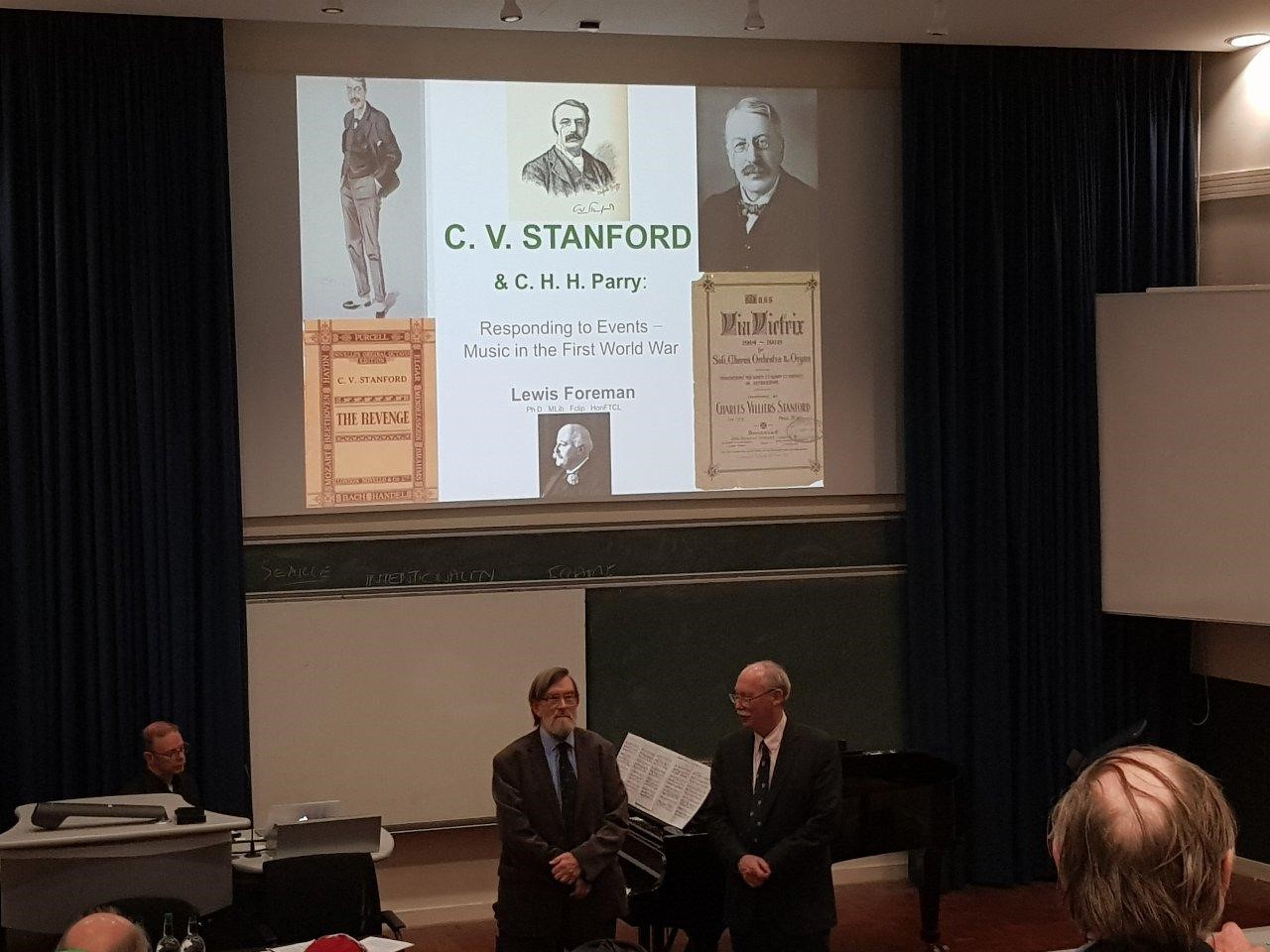
On Saturday afternoon, the festival moves to Christ Church Cathedral for a number of public talks on Stanford’s life and work .

  At 5 p.m. Stanford setting for evensong will be sung by the cathedral choir.

That evening will feature a concert – An Irish Rhapsody – at which the Hibernian Orchestra will perform Stanford’s symphonic music, including his popular Irish Rhapsody no. 6 for Violin and Orchestra, and the Clarinet Concerto (with soloist, John Finucane).

Sunday, 17 October 2010 (St Patrick’s Cathedral)

On Sunday the festival moves again to St Patrick’s Cathedral with  Stanford’s Festal Communion Service in Bb, Op 128 followed by lectures from leading international Stanford scholars.

 The festival concludes with Evensong, - Stanford  in B flat.

LECTURES

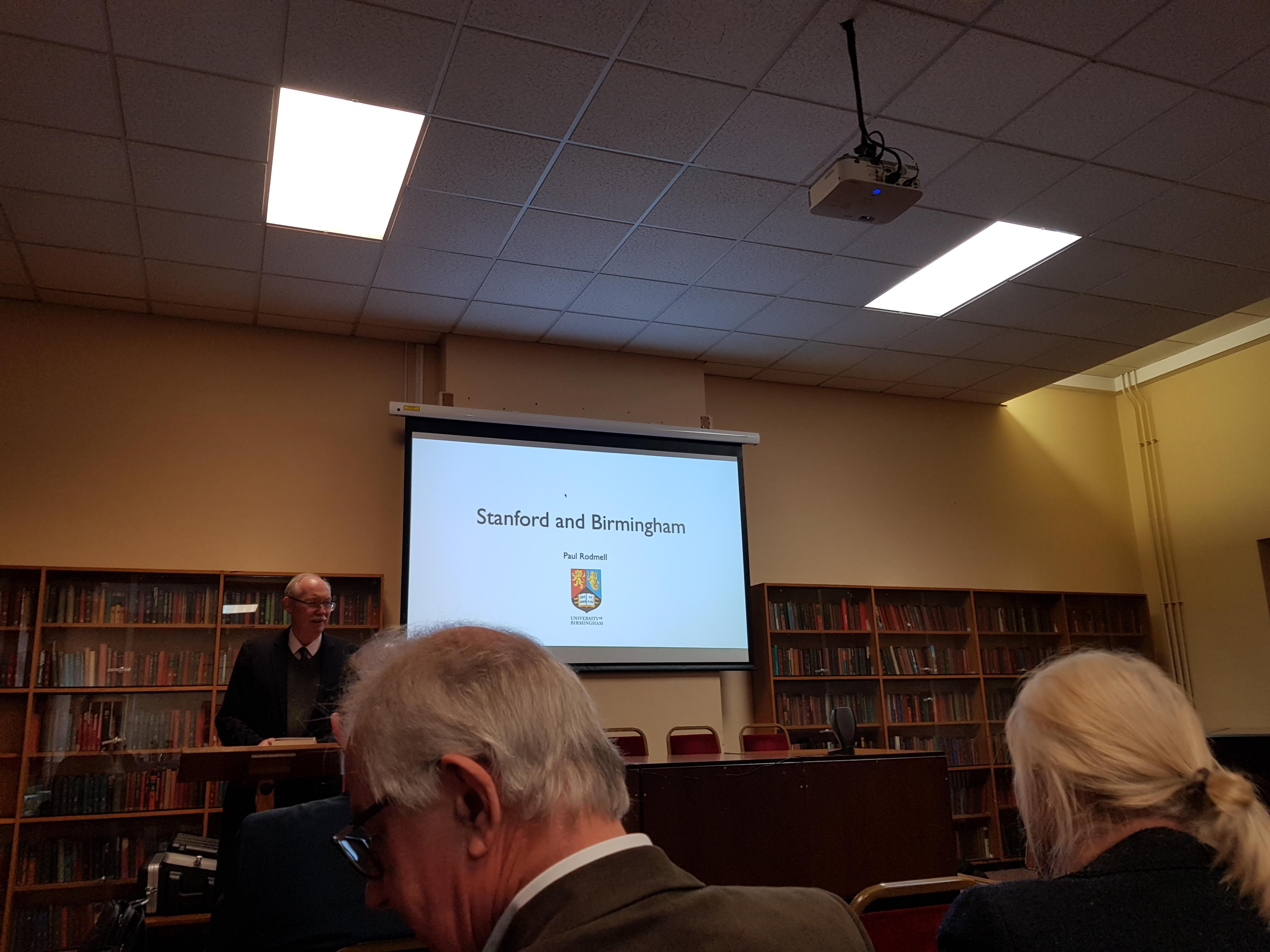
On Saturday and Sunday there will be lectures from a number of leading music scholars including  Professor Harry White,   Adele Commins and Professor Jeremy Dibble and Paul Rodmell both of whom have authored biographies of Stanford.

If you would like to receive updates and booking forms for the Festival please register at  stanfordfestival@gmail.com

 Details of the Hibernian Orchestra may be obtained at www.thehibernianorchestra.com


York Musical Society

If you would like to become actively involved in the Society or would like more information on our plans please contact John Covell, the Society chairman at

 cvstanfordsociety@msn.com.


THE STANFORD SOCIETY 

The Stanford Society is a new international society which is being formed to honor the life and music of Sir Charles Villiers Stanford (1852-1924) and to encourage and support the increased performance and recording of his music both in the UK and internationally.

During the last quarter of the nineteenth century Stanford was one of Britain’s leading musicians.  He combined an active career as a composer and conductor with responsibilities as Professor of Composition at the Royal College of Music in London and Professor of Music at Cambridge University.  Together with Sir Charles Hubert Parry and Sir Alexander Mackenzie he is credited with being one of the founding fathers of the British musical renaissance of the late nineteenth century.

Stanford composed prolifically in all genres and completed seven symphonies, ten operas, eight string quartets, a number of concerti as well as several hundred songs and works for the organ and piano.  He also wrote a large amount of music for the Anglican Church.

Since his death in 1924, much of Stanford’s music has fallen into neglect, except for his church music which continues to be performed regularly .Today he is remembered best as the teacher of composers such as Vaughan Williams, Holst, Howells and Coleridge-Taylor.

During the past twenty years record companies such as Hyperion and Chandos have, together with some of the smaller labels, been exploring the legacy of music from the early years of the English musical renaissance. Stanford has been one of the beneficiaries of this trend and an increasing number of recordings allow listeners to judge the quality of his compositions for themselves.  While much progress has been achieved in releasing recordings of his music, much of his work, including the operas, remains to be recorded.

At the time of Stanford’s centenary in 1952, a proposal was made in a letter to the English publication, The Musical Times, to establish a Stanford Society. In the event nothing came of this proposal.  An Elgar Society was formed in 1951 and subsequently societies have been founded devoted to a number of other English composers including Bliss, Delius, Simpson and Vaughan Williams.  A Bantock Society was established as long ago as 1946.

In addition, Trusts have been established to support the performance of the music of Britten, Tippett, Walton and Howells amongst others.

In 2002, at the time of the 150th anniversary of Stanford’s birth, the idea of establishing a Stanford Society was raised once again. During 2002, both professor Jeremy Dibble of Durham University and Dr Paul Rodmell of Birmingham University produced  substantial biographies of Stanford.  These were the first new biographies to appear since 1935 and both books added substantially to our knowledge of Stanford's life and music.  There were a number of concert performances of Stanford's music.  The revival of interest in Stanford's music, the increased appreciation of his contribution to the English renaissance of the late nineteenth century, and the wish of the City of Cambridge to honor one of its distinguished sons, were all factors which have led to the establishment of the Stanford Society at this time.

The Stanford Society plans to publish a bi-annual journal and to hold regular meetings and events to further interest in Stanford’s life and music.  We also plan to encourage and support performances and recordings of his music.  In addition, we will encourage the release of historic recordings of Stanford’s music including the recordings he made himself.

If you would like to become actively involved in the Society or would like more information on our plans and the Cambridge celebration weekend, please contact John Covell, the Society chairman at cvstanfordsociety@msn.com , you may also write to him at: 1301 North Sutton Place, Chicago IL 60610, USA.


Copyright The Stanford Society 2010

All material within this site is copyrighted.  

Do not reproduce without written consent